
How to Choose the Best Eye Mask
A good eye mask can make sleep feel calmer, darker and more consistent, especially if your room is not as dark as you would like. The best choice depends on how you sleep. It also depends on how sensitive your skin is.
Consider if you need full blackout. Also think about which fabric feels comfortable on your face. This guide explains what to look for so you can choose a sleeping eye mask that feels pleasant, stays in place and supports a better night’s rest.
What makes an eye mask good for sleep?
A good eye mask blocks unwanted light without pressing harshly on your eyes, rubbing your skin or slipping off during the night. It should feel soft enough to forget, secure enough to stay put, and breathable enough to prevent warmth or irritation. The right sleep eye mask should fit your face, your sleeping position and your routine, rather than simply looking attractive on a bedside table.
Light is one of the biggest reasons people reach for a sleeping mask. Streetlights, early sunrises, phone screens, hallway lamps, and travel lights can disrupt the darkness your body links to rest. A well-designed mask helps create a more sleep-friendly space, whether you are at home, on a plane, or napping during the day.
Comfort matters just as much as darkness. If a mask pinches your nose, tangles in your hair or presses on your lashes, you are unlikely to keep using it. The best eye mask is the one that solves the light problem without creating a new comfort problem.
The main features to consider
Choosing an eye mask is easier when you separate nice-to-have details from features that truly affect sleep. Focus first on fit, fabric, light blocking and adjustability. Once those are right, you can think about colour, style and extras.
A practical checklist looks like this:
- Light blocking: Look for a shape that covers the eye area properly and reduces gaps around the nose.
- Comfort: The mask should feel soft on your skin and not create pressure on the eyelids.
- Fit: Adjustable straps help you avoid a mask that is either too loose or uncomfortably tight.
- Breathability: Natural or smooth fabrics can feel more comfortable for long wear.
- Sleeping position: Side sleepers often need a slimmer profile, while back sleepers may suit more cushioned designs.
- Care requirements: A sleeping eye mask should be easy enough to clean regularly.
- Durability: Stitching, strap quality and fabric finish all affect how well it lasts.
Try not to choose purely by appearance. A beautiful mask that leaks light at the nose or digs in behind your ears will quickly become frustrating. Equally, the most technical design is not always the most comfortable if it does not suit your face shape.
Fabric changes how the mask feels
The material of your eye mask has a direct effect on comfort, warmth and skin feel. Some fabrics feel plush and cosy, while others are smooth, cool and lightweight. If you have sensitive skin, sleep warm, or dislike anything rough near your face, fabric should be one of your top priorities.
Cotton can be breathable and familiar, though it may not always feel as smooth as other options. Padded synthetic masks can block light well and feel soft at first, but some people find them warmer. Velvet or fleece-style masks may suit colder months, yet they can feel too heavy for year-round use.
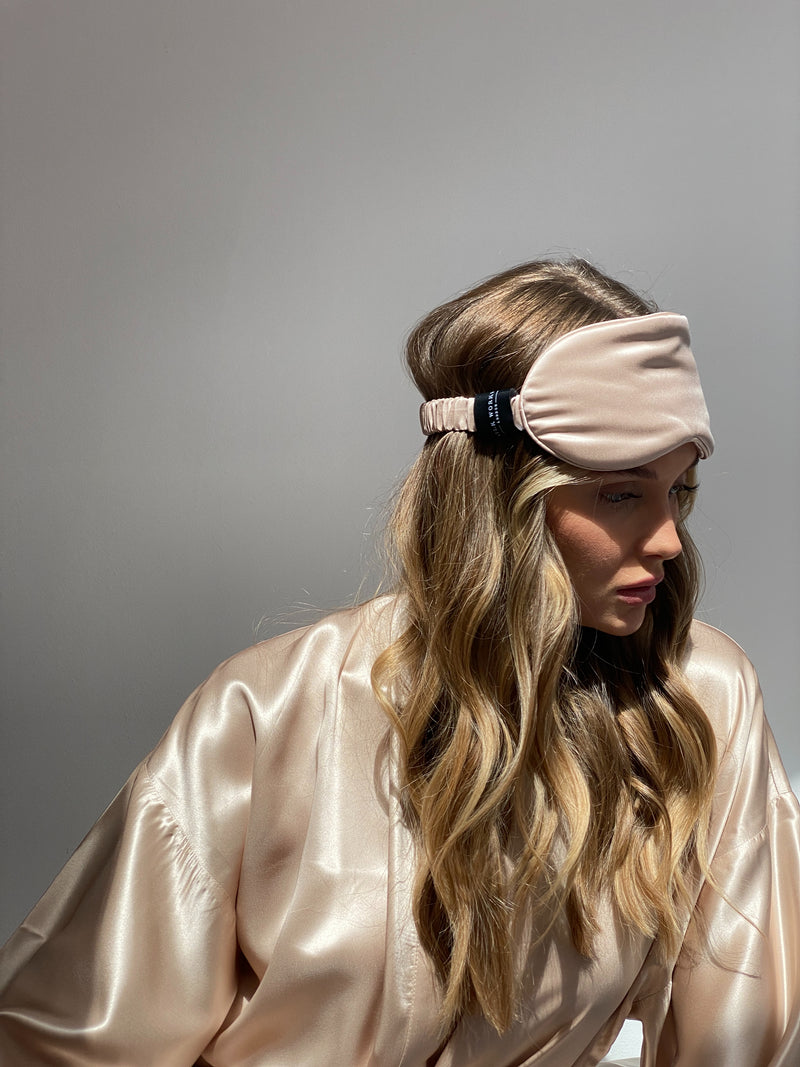
People often choose a silk sleep mask for its smooth texture. Silk has a naturally soft surface, so it may feel gentler against delicate skin around the eyes. A silk eye mask can also be a good option if you dislike friction, although quality, filling and construction still matter. Silk alone does not guarantee the perfect mask if the shape, strap or stitching is uncomfortable.
If you use night-time skincare, think carefully about fabric care. Clean any sleeping mask you wear close to creams, oils, and natural skin moisture according to its care instructions. A luxurious fabric is only useful if you are willing to look after it properly.
Which eye mask is best for your sleeping position?
The best eye mask for your sleeping position is the one that stays secure without creating pressure points. Side sleepers often need a flatter, softer design. It should not bunch at the temples.
Back sleepers may prefer more padding. They may also like a contoured shape. Front sleepers need to be especially careful, as bulky masks can shift or press into the face.
Side sleeping is where many masks fail. A thick strap adjuster at the back of the head may feel fine when you first put it on, then become annoying once your head meets the pillow. If you sleep on your side, look for a slim strap, soft edges and minimal bulk around the outer corners.
Back sleepers often have more flexibility. A contoured eye mask may work well because there is less sideways pressure from the pillow. Some people like the extra space around the eyelids, particularly if they dislike fabric touching their lashes.
If you move around a lot, adjustability becomes essential. A mask that is too loose will slide up your forehead or down your nose, while one that is too tight may leave marks or feel restrictive. The sweet spot is secure but barely noticeable.
Light blocking depends on shape, not just fabric
A dark fabric helps, but the shape of the eye mask usually decides how much light gets through. The nose area is the most common weak point. If there is a gap there, even a thick sleeping eye mask can let in enough light to bother you.
Look for designs that curve around the nose or include a soft nose bridge. The aim is not to press the mask hard into your face, but to create a closer fit. Wider coverage can also help, especially if you are trying to block side light from windows, screens or hotel corridors.
Contoured masks can be useful if you need blackout without pressure on the eyes. These designs create small domed spaces over the eyelids. However, they can be bulkier, so they are not ideal for everyone. Flat masks are often lighter and easier to pack, but they need a good cut to prevent light leaks.
If possible, test the mask in a bright room before relying on it for sleep. Put it on, adjust the strap, then look towards a window or lamp with your eyes closed. If you notice obvious brightness around the nose or cheeks, the fit may not be right for you.
Silk, contoured or weighted: popular options explained
Different mask styles solve different problems. Understanding the main options helps you avoid buying something that sounds appealing but does not suit your sleep habits.
Silk masks
A silk sleep mask is a strong choice if softness and a smooth skin feel are your priorities. It may suit people who want a lightweight mask for regular use, travel or winding down before bed. For the best experience, check that the strap is comfortable too.
A lovely front panel cannot make up for a scratchy fastening.
Contoured masks
Contoured masks are shaped to sit away from the eyelids. They can be helpful if you blink, have long lashes, wear lash extensions, or simply dislike pressure on your eyes. The trade-off is that they are usually more structured, which depending on the material can make them less convenient for side sleeping or compact packing.
Weighted masks
Weighted masks can feel soothing for some people because they add gentle pressure around the eye area. They are more suited to relaxation, meditation or short rests than to every sleeper’s full night routine. If you choose one, make sure the weight feels calming, not heavy. Avoid anything that presses on your eyes and feels uncomfortable.
Travel masks
A travel sleep eye mask should be easy to pack, quick to adjust and comfortable in less-than-perfect sleeping positions. You may not need the most luxurious option for travel, but you do need reliable light blocking. A washable pouch is useful if the mask will be going in and out of bags.
Comfort details that are easy to overlook
Small design choices can decide whether you love or abandon an eye mask. Straps are a good example. Elastic can be convenient, but if it is too tight it may pull hair or leave pressure behind the ears. Adjustable closures are useful, provided they do not create a hard lump against your head.
Seams also matter. Raised stitching near the eyes or nose can become irritating over several hours. Soft, smooth edges tend to feel better, especially if you have sensitive skin or sleep on your side.
Temperature is another common issue. A thick sleeping mask may feel cosy in winter but too warm in summer. If you often wake feeling hot, choose a lighter fabric and avoid heavy padding unless you truly need it for blackout.
Before buying, ask yourself:
- Do I want complete darkness or just reduced light?
- Do I sleep mostly on my side, back or front?
- Do I prefer a flat mask or space around my eyelids?
- Is my skin sensitive to texture, heat or friction?
- Will I wash it regularly, and are the care instructions realistic?
- Do I need it mainly for home, travel, naps or all three?
These questions keep the choice practical. Instead of searching for a universal “best”, you are looking for the best match for your habits.
How should you care for a sleeping mask?
You should care for a sleeping mask by keeping it clean, storing it properly and following the fabric instructions. Because it sits directly against your face, it can collect skincare, sweat and natural oils. Regular cleaning helps it feel fresh and may also extend the life of the fabric.
Always check the care label before washing. Some masks may be suitable for gentle hand washing, while others need more delicate treatment. A silk eye mask, in particular, may require careful handling to protect the fabric’s smooth finish. The full ritual is on our silk care page.
Let the mask dry fully before storing or wearing it again. Keeping a damp mask in a drawer, suitcase or pouch can make it unpleasant to use. If you travel often, consider having one mask for home and one for your bag, so your nightly routine stays cleaner and more consistent.
A simple buying guide
If you are still unsure, narrow the decision by matching the mask type to your main need.
Choose a silk sleep mask for a smooth, soft feel and a more luxurious bedtime routine. This is a good fit for people who value texture and prefer something light on the face.
Choose a contoured eye mask for darkness without fabric resting on your eyelids. This may suit back sleepers or anyone sensitive to pressure around the eyes.
Choose a slim travel mask if portability matters most. Look for lightweight coverage, easy adjustment and a shape that blocks light in planes, trains and hotel rooms.
Choose a soft padded sleeping eye mask for a cosy feel and fuller coverage. Just make sure it does not become too warm or bulky for your sleeping position.
The best approach is to prioritise comfort first, blackout second and style third. A mask that feels good is the one you will actually use night after night.
Final thoughts
The best eye mask is personal. It should block the level of light that bothers you, feel gentle on your skin, stay secure as you sleep and suit the way you rest. Whether you choose a simple sleeping mask, a smooth silk eye mask, or a structured design, focus on fit. Comfort matters most.
A well-chosen mask is a small item that can make your bedtime routine feel more settled. Pick carefully, keep it clean, and it can become one of the easiest ways to create a darker, calmer space for sleep.